Career Advice•
March 10, 2026 10 min read
Top Resume Formats for Job Seekers in India: A Complete Guide
Share this article:
Top Resume Formats for Job Seekers in India: A Complete Guide
Navigating the competitive job market in India requires a standout resume. Discover the top resume formats that can elevate your application and land you an interview.
Importance of Choosing the Right Resume Format
In the bustling job market of India, the right resume format can make or break your chances of landing an interview. Your resume is often the first impression potential employers will have of you, and presenting your qualifications in a clear, compelling manner is crucial. Selecting an appropriate resume format can help highlight your strengths, minimize any gaps in your employment history, and ensure that your skills and experiences are effectively communicated.
The significance of choosing the right resume format cannot be overstated. With hiring managers often sifting through hundreds of applications, a well-structured resume can ensure your application stands out. A thoughtfully chosen format can guide the reader's attention to the most important aspects of your professional profile, thereby increasing your chances of progressing to the next stage of the hiring process.
Moreover, different industries and roles may have unique expectations regarding resume presentation. Understanding these nuances and tailoring your resume format accordingly can demonstrate your attention to detail and alignment with industry standards. In a competitive job market like India's, where every detail counts, selecting the right resume format is an essential step in your job search strategy.
Overview of Common Resume Formats
Several resume formats are commonly used by job seekers in India, each with its own set of advantages and ideal use cases. The three primary formats are the chronological, functional, and combination (or hybrid) resumes. Understanding the characteristics and best applications for each can help you determine which format will best showcase your qualifications.
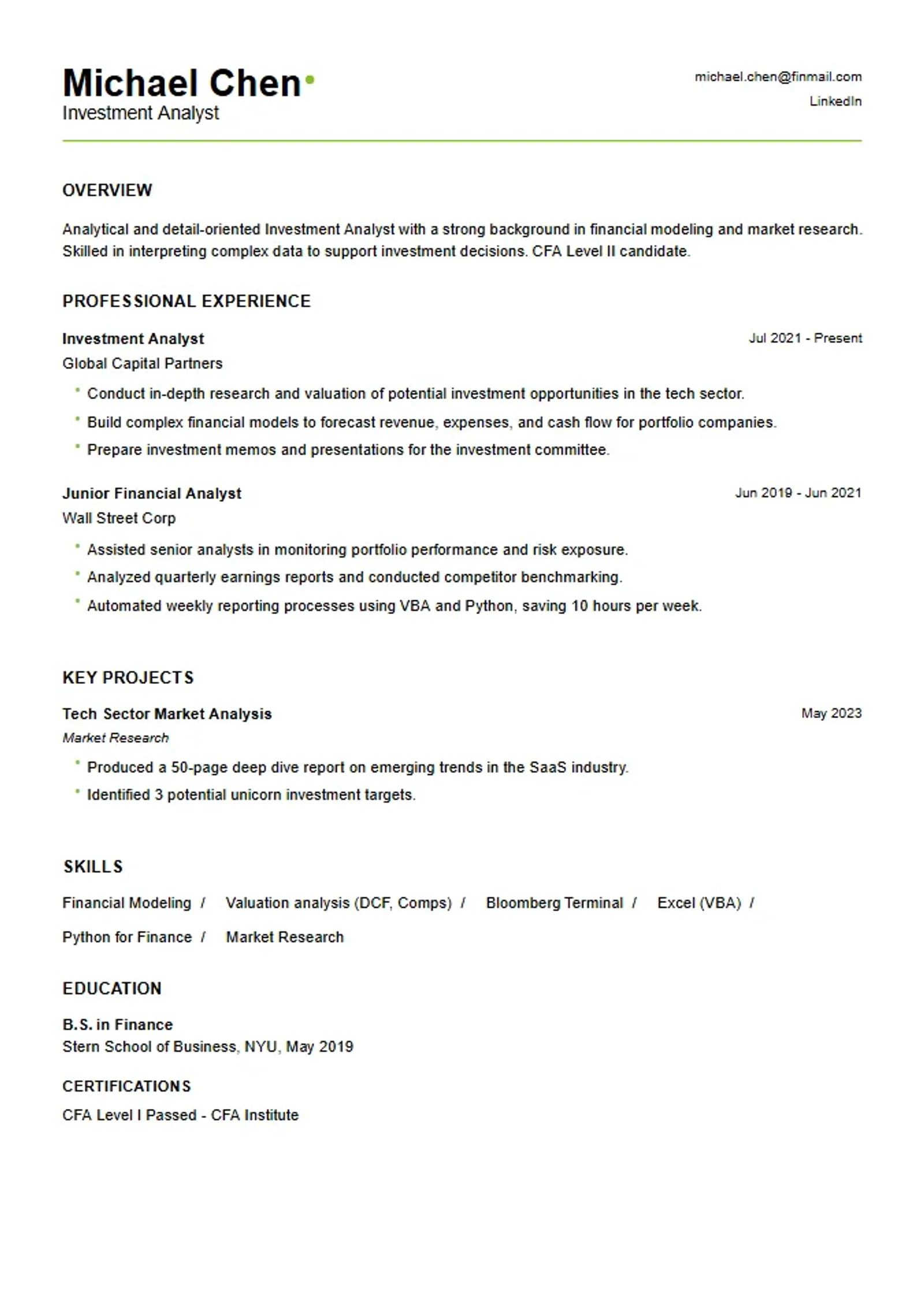
The chronological resume format is the most traditional and widely used. This format lists your work experience in reverse chronological order, starting with your most recent job. It is particularly effective for individuals with a strong, consistent work history in their chosen field. This format emphasizes career progression and stability, making it a favorite among hiring managers.
The functional resume format, on the other hand, focuses on skills and experiences rather than chronological work history. This format is ideal for individuals with gaps in their employment, those changing careers, or those with a diverse range of experiences. By highlighting relevant skills and accomplishments upfront, the functional resume can help draw attention to your competencies.
The combination resume format merges elements of both the chronological and functional formats. It allows job seekers to highlight their skills and achievements while also providing a chronological overview of their work history. This format is versatile and can be particularly effective for those with a varied career path or who want to emphasize specific skills relevant to the job they are applying for.
Chronological Resume Format: Pros and Cons
The chronological resume format is favored for its straightforward structure and ease of reading. By listing work experience from the most recent to the oldest, it creates a clear narrative of your career progression. This format is advantageous for candidates with a steady employment history in the same industry, as it highlights career growth and stability.
One of the primary benefits of the chronological resume is its familiarity. Most hiring managers are accustomed to this format, making it easier for them to quickly assess your work history and qualifications. This familiarity can work in your favor, particularly in conservative industries where traditional formats are preferred. Additionally, the chronological resume allows for easy identification of recent roles and responsibilities, which can be crucial in roles where up-to-date experience is essential.
However, the chronological resume is not without its drawbacks. For individuals with gaps in their employment history, frequent job changes, or a lack of relevant experience, this format can inadvertently draw attention to these issues. It may also not be the best choice for those looking to make a career change, as it places more emphasis on past job titles rather than transferable skills. In such cases, other formats like the functional or combination resume may be more effective in presenting a cohesive professional narrative.
Functional Resume Format: When to Use It
The functional resume format shifts the focus from chronological work history to skills and accomplishments. This format is particularly useful for job seekers with non-traditional career paths, significant gaps in employment, or those transitioning to a new field. By organizing the resume around key skills and achievements, the functional format allows candidates to highlight their strengths in a way that is directly relevant to the job they are applying for.
One of the primary advantages of the functional resume is its ability to minimize attention to employment gaps or inconsistencies. By placing the emphasis on skills and accomplishments, this format can help create a more favorable impression of your qualifications. It is especially effective for those with diverse experiences that may not fit neatly into a chronological timeline but are nonetheless valuable.
However, the functional resume format also has its challenges. Some hiring managers may be less familiar with this format and could perceive it as an attempt to obscure a lack of experience or job hopping. Additionally, because it does not provide a clear timeline of employment, it may not be suitable for roles that require detailed work history. To mitigate these concerns, job seekers using the functional format should ensure their skills and accomplishments are clearly articulated and relevant to the job description.
Combination Resume Format: Best of Both Worlds
The combination resume format offers a versatile approach by integrating elements of both the chronological and functional formats. This hybrid structure allows job seekers to showcase their skills and achievements while also providing a chronological overview of their work history. The combination format is particularly effective for individuals with varied experiences or those looking to highlight specific competencies alongside their career progression.
One of the key benefits of the combination resume is its flexibility. By featuring a skills section at the top, followed by a chronological work history, this format provides a balanced view of your qualifications. It allows you to draw attention to your most relevant skills and accomplishments while still demonstrating a coherent career trajectory. This dual approach can be particularly appealing to hiring managers who want to see both what you can do and where you have done it.
However, the combination resume can also be more complex to create. It requires careful consideration of what skills and experiences to highlight and how to structure the information effectively. Additionally, the longer format may not be ideal for all job seekers, particularly those with limited experience or straightforward career paths. Despite these challenges, the combination resume remains a powerful tool for presenting a well-rounded professional profile that can appeal to a wide range of employers.
Tips for Tailoring Your Resume Format to Indian Employers
When crafting your resume for the Indian job market, it's important to consider cultural and industry-specific expectations. Tailoring your resume format to meet these expectations can enhance your chances of making a positive impression. Here are some tips to help you align your resume with the preferences of Indian employers.
Firstly, consider the industry norms. Different sectors may have distinct preferences for resume formats. For example, IT and tech companies may favor a skills-based resume that highlights technical competencies, while traditional industries like finance may prefer a chronological format that emphasizes career stability. Researching the norms within your industry can help you choose the most appropriate format.
Secondly, pay attention to the length and detail of your resume. While brevity is valued, Indian employers often appreciate detailed descriptions of roles and responsibilities. Providing specific examples of your achievements and contributions can help demonstrate your value. However, it's important to strike a balance between being comprehensive and concise, ensuring that your resume remains easy to read.
Finally, consider the cultural context. In India, including personal details such as date of birth, marital status, and a professional photograph is common practice, although not mandatory. While these elements are not required, including them can sometimes create a more complete picture of the candidate. Additionally, ensure that your resume is free from jargon and written in clear, professional language. Tailoring your resume to reflect the expectations and preferences of Indian employers can help you stand out in a competitive job market.
Common Mistakes to Avoid in Resume Formatting
Crafting a well-formatted resume requires attention to detail and awareness of common pitfalls. Avoiding these mistakes can help ensure your resume presents you in the best possible light. Here are some common resume formatting errors and tips on how to avoid them.
One frequent mistake is using an overly complicated layout. While it's important to make your resume visually appealing, excessive graphics, colors, or unconventional fonts can distract from the content. Stick to a clean, professional design that is easy to read and navigate. Use consistent formatting for headings, bullet points, and spacing to create a polished look.
Another common error is failing to tailor the resume to the job description. Generic resumes that are not customized for the specific role are less likely to catch the attention of hiring managers. Ensure that your resume highlights the skills and experiences most relevant to the job you are applying for. This may involve reordering sections, emphasizing certain achievements, or even adjusting the format to better align with the job requirements.
Finally, neglecting to proofread can undermine an otherwise strong resume. Spelling and grammatical errors can create a negative impression and suggest a lack of attention to detail. Take the time to carefully review your resume for any mistakes, and consider asking a trusted friend or mentor to provide feedback. Ensuring your resume is error-free is a simple yet crucial step in presenting yourself as a professional candidate.
Tools and Resources for Creating Professional Resumes
Creating a professional resume is now easier than ever, thanks to a variety of tools and resources available online. These tools can help you design a visually appealing resume, ensure proper formatting, and even tailor your content to specific job descriptions. Here are some popular resources to consider.
Resume builders are a great starting point for job seekers looking to create a polished resume quickly. Platforms like Canva, Zety, and Resume.io offer customizable templates that cater to different industries and experience levels. These tools often provide step-by-step guidance, helping you fill in the necessary details and ensuring that your resume is well-organized and visually appealing.
For those seeking more personalized assistance, professional resume writing services can be a valuable investment. Companies like TopResume and Shine.com offer expert advice and customized resume writing services. These professionals can help you craft a resume that highlights your strengths and aligns with industry standards. Additionally, career counseling services often include resume reviews and feedback as part of their offerings.
Finally, numerous online resources provide tips and best practices for resume writing. Websites like LinkedIn, Indeed, and Glassdoor offer sample resumes, industry-specific advice, and articles on resume writing techniques. Utilizing these resources can help you stay informed about current trends and ensure your resume remains competitive in the job market. With the right tools and resources, creating a professional resume that stands out has never been more accessible.
Conclusion and Final Thoughts on Resume Formats
In conclusion, selecting the right resume format is a critical step in your job search journey. Whether you opt for a chronological, functional, or combination resume, the key is to choose a format that best highlights your strengths and aligns with the expectations of your target industry. A well-crafted resume not only showcases your qualifications but also demonstrates your attention to detail and professionalism.
Understanding the pros and cons of each resume format can help you make an informed decision. The chronological resume is ideal for those with a stable career path, while the functional resume benefits individuals with diverse experiences or employment gaps. The combination resume offers a flexible approach, allowing you to highlight both skills and work history. Tailoring your resume to the preferences of Indian employers and avoiding common formatting mistakes can further enhance its effectiveness.
With the plethora of tools and resources available, creating a standout resume is more achievable than ever. Whether you use online resume builders, seek professional writing services, or leverage industry-specific advice, the effort you invest in crafting a strong resume can significantly impact your job search success. By presenting a well-organized, compelling professional profile, you increase your chances of capturing the attention of hiring managers and securing the interviews you seek.